Judy Qweidi: 13 Years of Resilience Against Kidney Failure in Idlib
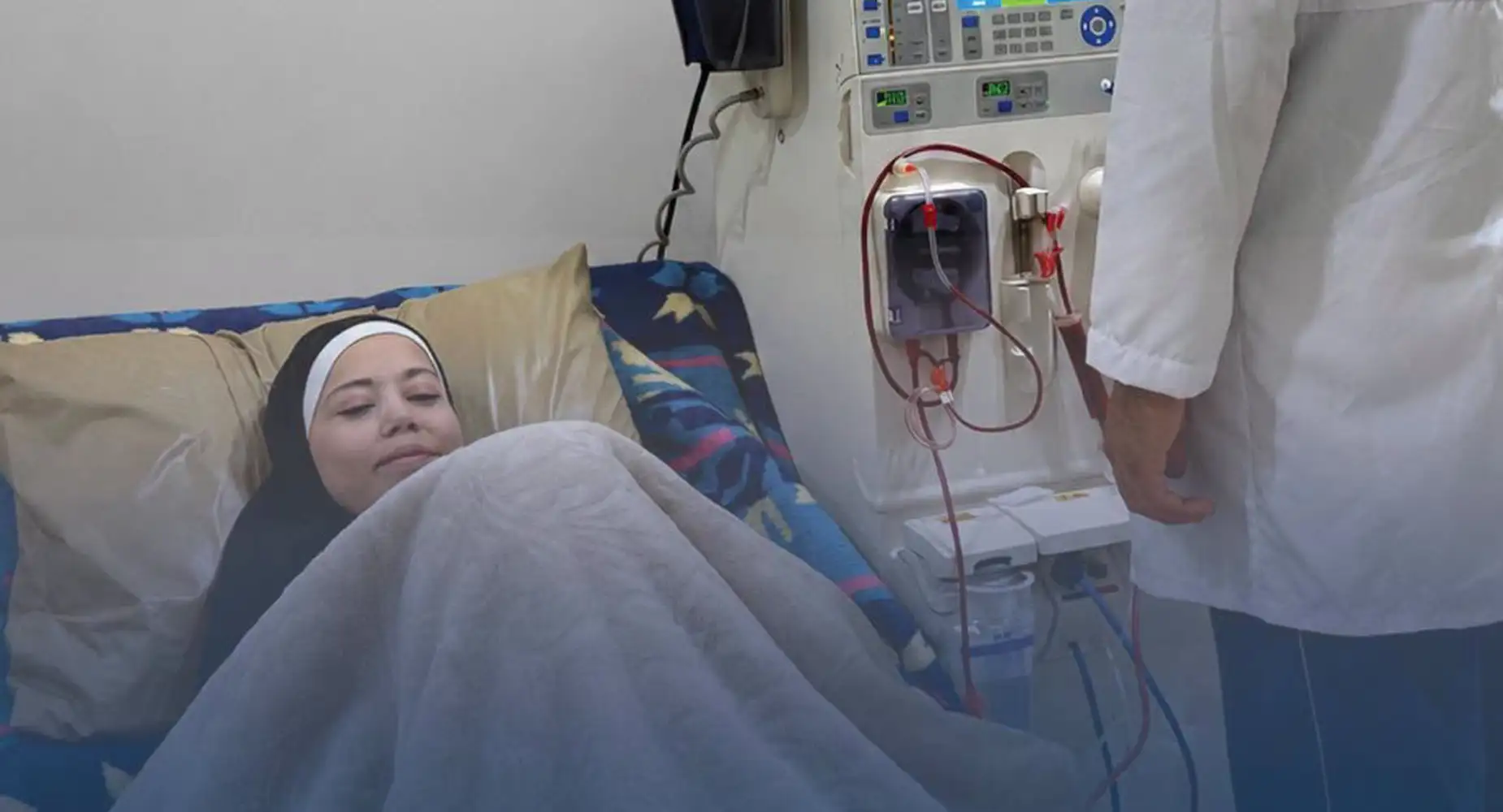
Since the age of nine, Judy Qweidi has been living with kidney failure. Today, after 13 full years of treatment, this young woman, now twenty-two, continues to attend dialysis sessions twice a week, showing remarkable determination and unwavering hope for a better future.
Judy receives her medical care at the kidney dialysis unit in the city of Ariha, in the Idlib countryside, where the medical staff work diligently to provide the high level of care and consistent follow-up that kidney failure patients need throughout their treatment journey. Dialysis sessions are far more than a routine medical procedure; they are a weekly lifeline that demands precision and continuous monitoring of the patient’s condition.
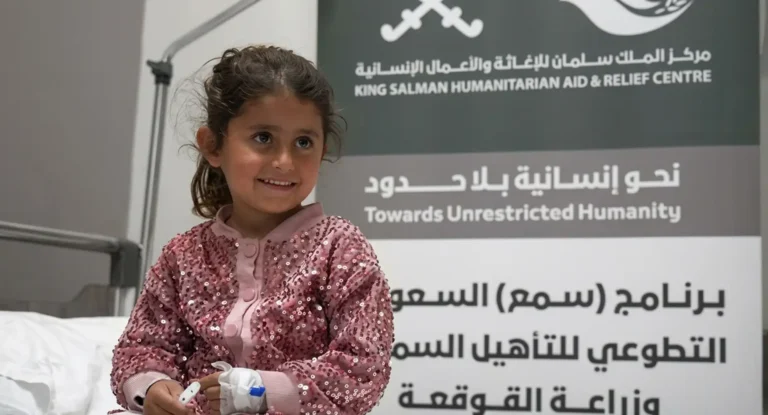
This unit operates as part of the efforts of Alameen Organization, which works to provide sustainable healthcare services to patients in the most vulnerable areas of Syria, in cooperation with the King Salman Humanitarian Aid and Relief Centre, which supports this vital service to ensure its continuity and quality.
Judy’s story reflects the suffering of thousands of patients living with kidney failure in conflict-affected regions, where the treatment journey becomes a daily challenge requiring specialized medical equipment, qualified staff, and continuous care. Despite the length of this journey, every new step carries its own meaning, as each successful dialysis session represents a small victory added to a growing reserve of hope.
The continuation of this service for 13 years for patients like Judy highlights the importance of sustaining medical and humanitarian support in areas suffering from severe shortages in health resources. While the illness poses ongoing challenges, life continues to prove stronger than disease, thanks to consistent care and an unbreakable will.
Judy Qweidi’s story is just one example among many that prove hope remains alive even in the most difficult circumstances, and that sustained specialized medical support can make a real difference in the lives of those living with chronic conditions such as kidney failure.