Cochlear Implants: When Sound Returns to Write New Stories for Our Children
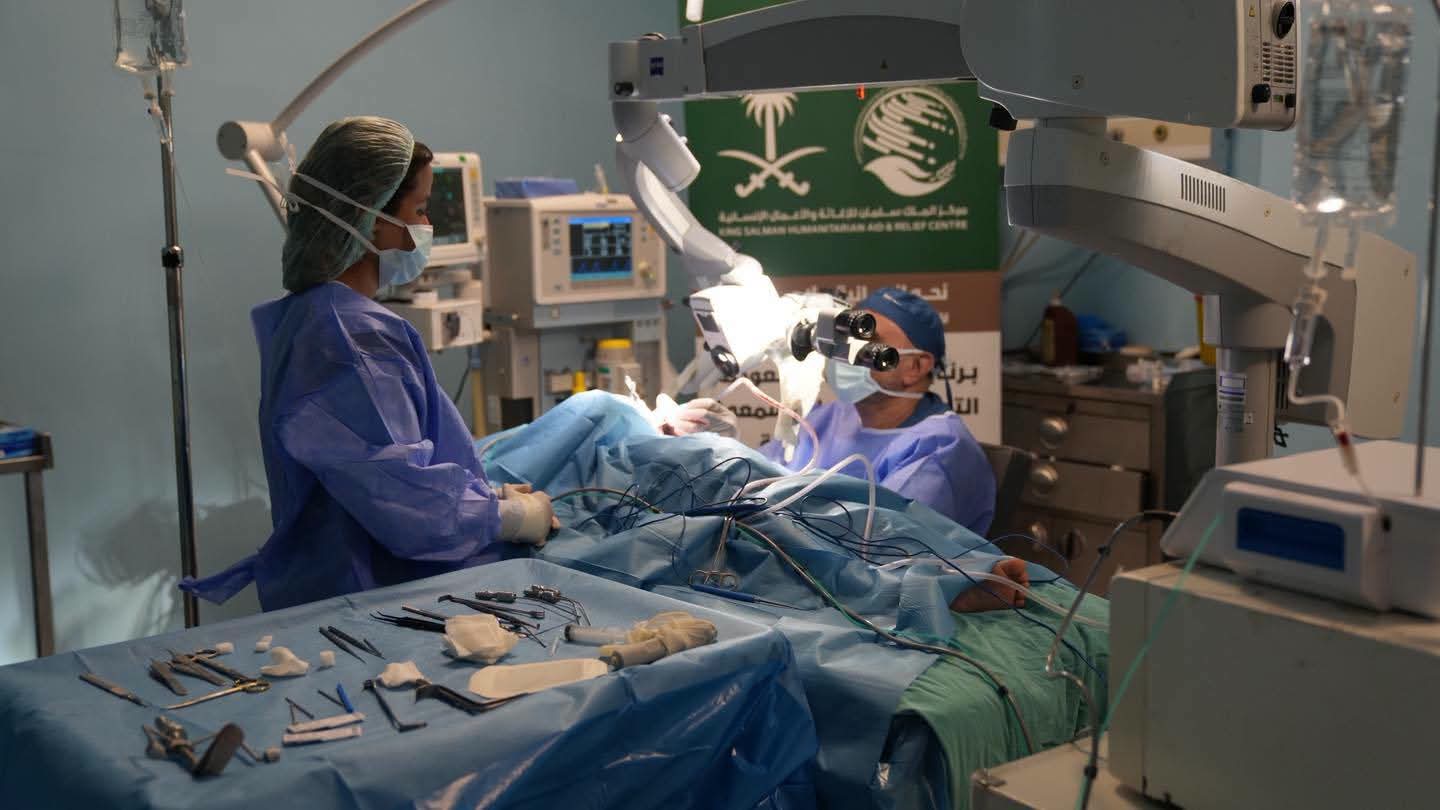
From the operating room, different stories begin. Stories of children drawing closer, day by day, to hearing the laughter of their loved ones and the sounds of life around them. These are not stories from fiction, but a reality that repeats itself every time a cochlear implant surgery is performed for a child born with, or who develops, severe hearing loss, transforming the silence they once lived in into a world filled with sounds, words, and emotions.A cochlear implant is a precise medical procedure that involves placing a small electronic device inside the inner ear. This device converts sounds into electrical signals that the auditory nerve can understand directly, bypassing the damaged part of the ear. Unlike traditional hearing aids, which simply amplify sound, cochlear implants give people with severe or profound deafness a genuine opportunity to regain the sense of hearing, opening the door to speech and natural communication with those around them.Because a child’s brain is at its most flexible and ready to learn language during the early years of life, doctors and specialists consistently emphasize the importance of early intervention. Every month that passes without effective treatment for hearing loss can affect a child’s future ability to speak, learn, and integrate socially. This is why early diagnosis of hearing impairment, ideally from birth or within the first months of a child’s life, is so important, followed by a swift move toward appropriate treatment options, with cochlear implantation at the forefront when the condition calls for it.However, in many regions facing difficult circumstances, this life-changing procedure becomes a distant dream for families who cannot afford its high costs, or who lack access to the necessary medical and technical support to perform and follow up on it. This is where humanitarian organizations dedicated to children with hearing disabilities step in, working to provide real opportunities for these children to undergo such surgeries, starting with accurate diagnosis, coordinating with specialized medical centers, and continuing through the post-surgery auditory and language rehabilitation phase, a stage just as important as the surgery itself.Al-Ameen Humanitarian Support Organization, also known as IRVD, places the issues of children with special needs, including hearing loss, at the heart of its humanitarian mission. Supporting cochlear implant programs goes beyond the medical aspect alone; it extends to accompanying families psychologically and socially, helping them understand the importance of continuous medical follow-up after surgery, and guiding them through the stages of auditory rehabilitation the child needs to fully benefit from the implanted device.Every child who undergoes cochlear implant surgery represents a new story of hope being written, not only because they will hear their mother’s and father’s voices and the voices of their friends, but because they gain a greater chance at education, communication, and building a normal future like other children their age. This is exactly what the humanitarian efforts behind every cochlear implant surgery strive for, hoping to turn silence into sound, isolation into connection, and worry into real hope for a better life.