How to Use and Care for Hearing Aids: A Complete Guide for Children and Their Families
When a child receives a medical hearing aid for the first time, a new journey begins, filled with hope, but it requires sufficient knowledge and awareness from the family to ensure the child gains maximum benefit from this important device. Knowing how to use and care for the hearing aid is not just a matter of technical instructions; it is an essential step in helping the child experience comfortable and safe hearing, giving them the confidence to communicate with those around them and engage in their natural environment without obstacles.
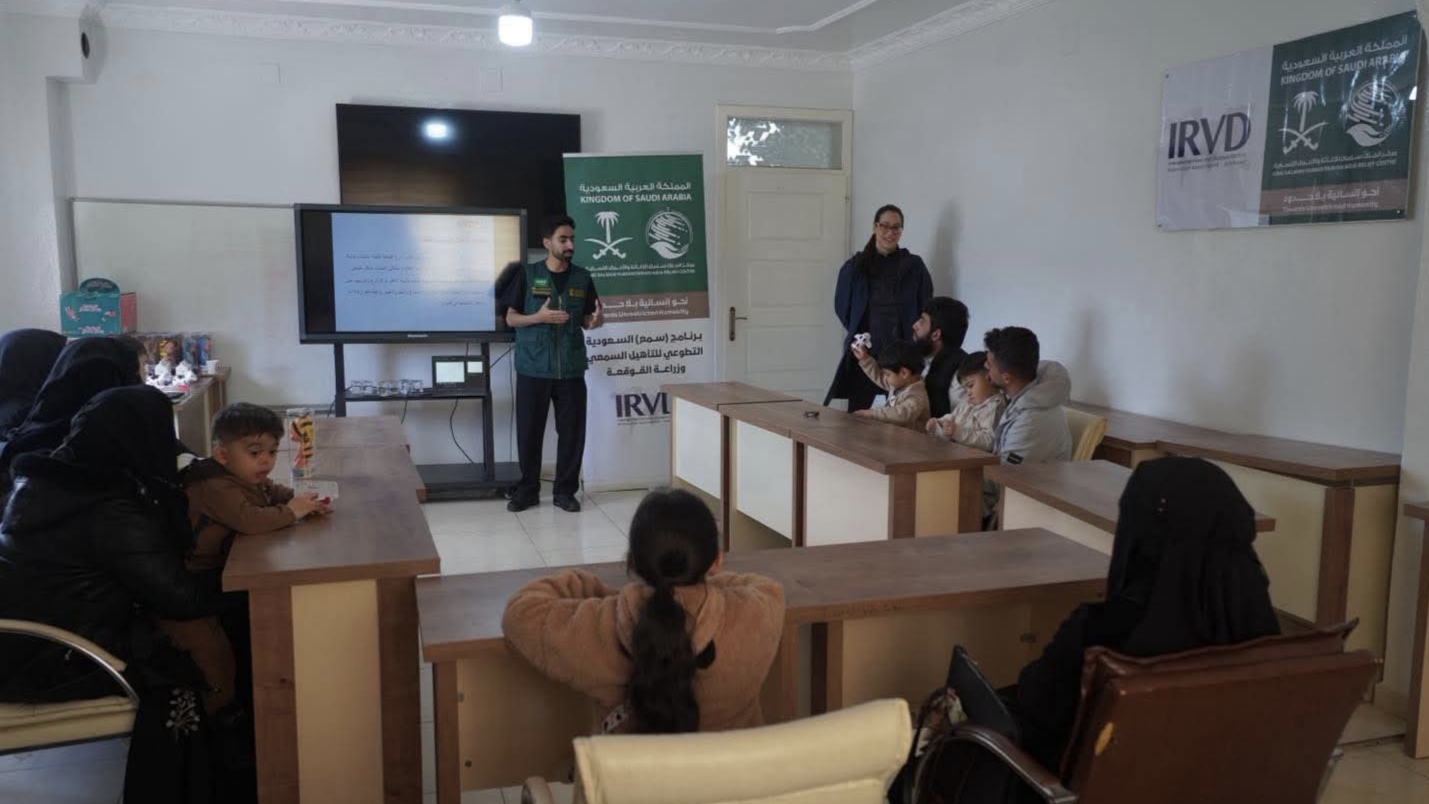
Through awareness programs designed for children and their families, parents receive precise guidance on how to handle the hearing aid, starting from the very first day of use, down to the smallest details that may seem simple but directly affect the device’s lifespan and effectiveness.
The Importance of Understanding How to Use the Hearing Aid Correctly
Proper use of the medical hearing aid begins with understanding how it is fitted and operated. The child and their family need to learn how to insert the hearing aid into the ear correctly, ensuring it fits the shape of the ear without causing any discomfort or pain. Adjusting the volume level to suit the child’s needs in each environment, whether at home, school, or in public places, plays a significant role in their comfort and ability to benefit from the hearing aid as effectively as possible.
Another important aspect emphasized in awareness programs is teaching children and their families how to recognize signs indicating a malfunction in the hearing aid, such as weak sound or interference, so they can act quickly and address the issue before it affects the child’s hearing experience.
Steps for Caring for the Hearing Aid to Extend Its Lifespan
Caring for the hearing aid is just as important as knowing how to use it, as medical hearing aids are precise devices that require daily care to maintain their efficiency. One of the most important care steps is keeping the hearing aid clean regularly, removing any wax or dust buildup that may affect sound quality, using designated tools in a manner that does not damage the device.
Additionally, the hearing aid must be protected from moisture and water, as direct exposure to water can damage the device’s internal circuits. It is therefore recommended to remove the hearing aid while bathing or swimming, and to store it in a dry, safe place out of reach of other young children in the household to avoid loss or breakage.
It is also essential to regularly monitor the battery’s condition and replace it as soon as a decline in performance is noticed, since a weak battery directly affects the clarity of sound the child receives. It is also advisable to keep the hearing aid in its designated case when not in use, protecting it from impacts or drops that could damage its sensitive components.
The Family’s Role in Supporting the Child Throughout This Experience
The family is the child’s first source of support on their journey with the hearing aid. Through awareness programs, parents are trained step by step on everything they need to help their children, from how to properly wear the hearing aid, to how to encourage the child to gradually get used to it without pressure or fatigue.
This continuous support gives the child a sense of security and makes them more accepting of using the hearing aid in their daily life, especially when they feel that their family understands what they are going through and helps them overcome any challenges they may face at the beginning.
Toward a Hearing Experience Filled with Confidence and Reassurance
When the right knowledge about how to use and care for the hearing aid is available, the child becomes able to fully benefit from this device and engage confidently in their social and educational environment. This awareness is not limited to the technical aspect; it extends to the psychological and emotional aspects of the child and their family, making the use of the hearing aid a natural part of daily life, rather than a burden or a source of worry.
Through this type of awareness program, children and their families receive the necessary support to face this experience with confidence, and to live a normal life full of communication and integration, without hearing impairment standing in the way of achieving their dreams and