Speech Therapy Awareness Session in Mogadishu: The Family’s Role in Supporting Listening and Communication for Cochlear Implant Children
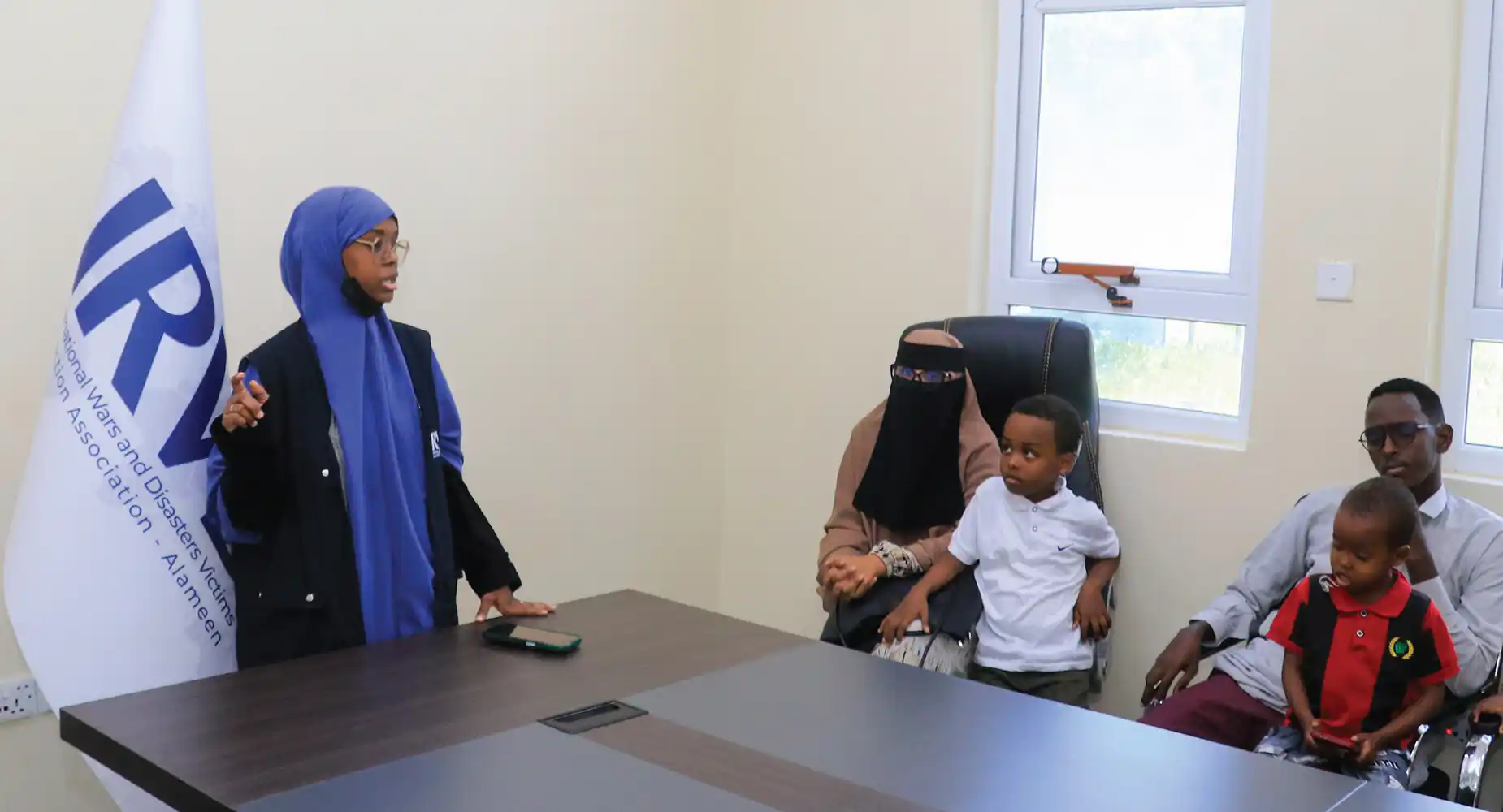
At the Speech Therapy Center in Mogadishu, an awareness session was held for the families of children with cochlear implants who are enrolled in the speech therapy program. The session focused on the essential role parents play in supporting their children’s journey toward better listening and communication, and how everyday routine moments can be transformed into meaningful learning opportunities that help a child progress step by step.
Why Do Parents Need This Kind of Session?
When a child undergoes cochlear implant surgery, many parents assume the hardest part is over once the operation is complete. In reality, the true journey begins afterward, as the child requires an extended period of auditory and language rehabilitation to fully benefit from the implanted device. This is where the family’s role becomes central, not as a bystander waiting for results from specialists, but as an active partner in the process.
During the session, it was emphasized that the success of a speech therapy program does not rely solely on specialized therapy sessions. It extends into the home environment and daily interaction between the child and their parents. A child who spends just one hour a week with a speech therapist but lives in a home environment rich in language stimulation tends to progress far faster than a child who depends only on therapy sessions without any follow-up at home.
Turning Daily Routine into Learning Opportunities
One of the key themes addressed in the session was how small daily details in a child’s routine can be turned into effective learning opportunities. Mealtime, for instance, is not just a time to feed the child. It can become an opportunity to name foods, describe colors and textures, and encourage the child to express their wants through words rather than gestures alone.
The same applies to playtime, moving between rooms, getting dressed, and even bath time. All these everyday moments carry enormous potential to strengthen listening and communication skills, if parents approach them with awareness and patience.
The session stressed the importance of talking to the child continuously, even if it feels like a one-sided conversation at first. A child with a cochlear implant needs intensive exposure to spoken language so their brain can begin processing sounds and linking them to meaning, much like children with typical hearing, but with a more focused and consistent pace of follow-up.
Every New Word Requires Follow-Up, Encouragement, and Patience
One of the most important messages the center aimed to convey to families is that every new word a child learns is not an isolated event, but the result of a long process of follow-up, encouragement, and patience. A child may need to hear the same word dozens of times in different contexts before they begin using it independently, and this is entirely normal in the language acquisition journey after cochlear implantation.
Parents who show patience, celebrate every small step of progress, and offer continuous encouragement without pressure or comparison to other children directly contribute to building their child’s confidence and communication abilities. On the other hand, excessive pressure or unrealistic expectations can negatively affect a child’s motivation and willingness to try.
The Role of Specialists Alongside the Family
The awareness session also highlighted the importance of ongoing coordination between parents and the center’s speech therapists. While the therapist designs the appropriate treatment plan based on each child’s needs, applying and reinforcing that plan in daily life falls on the family. Parents were encouraged to ask questions freely and share observations about their child’s progress or any difficulties they encounter, as this open communication helps specialists adjust treatment plans to better suit each individual case.