Cochlear Implant Programming Sessions for Children in Qudsaya: The Follow-Up Journey After Implantation Toward Better Hearing and Speech
A cochlear implant is not only about surgery. The real story begins afterward. Once the device is switched on, the child needs careful, regular follow-up and continuous programming sessions, during which the device is adjusted to suit the child’s hearing response and improve performance over time.
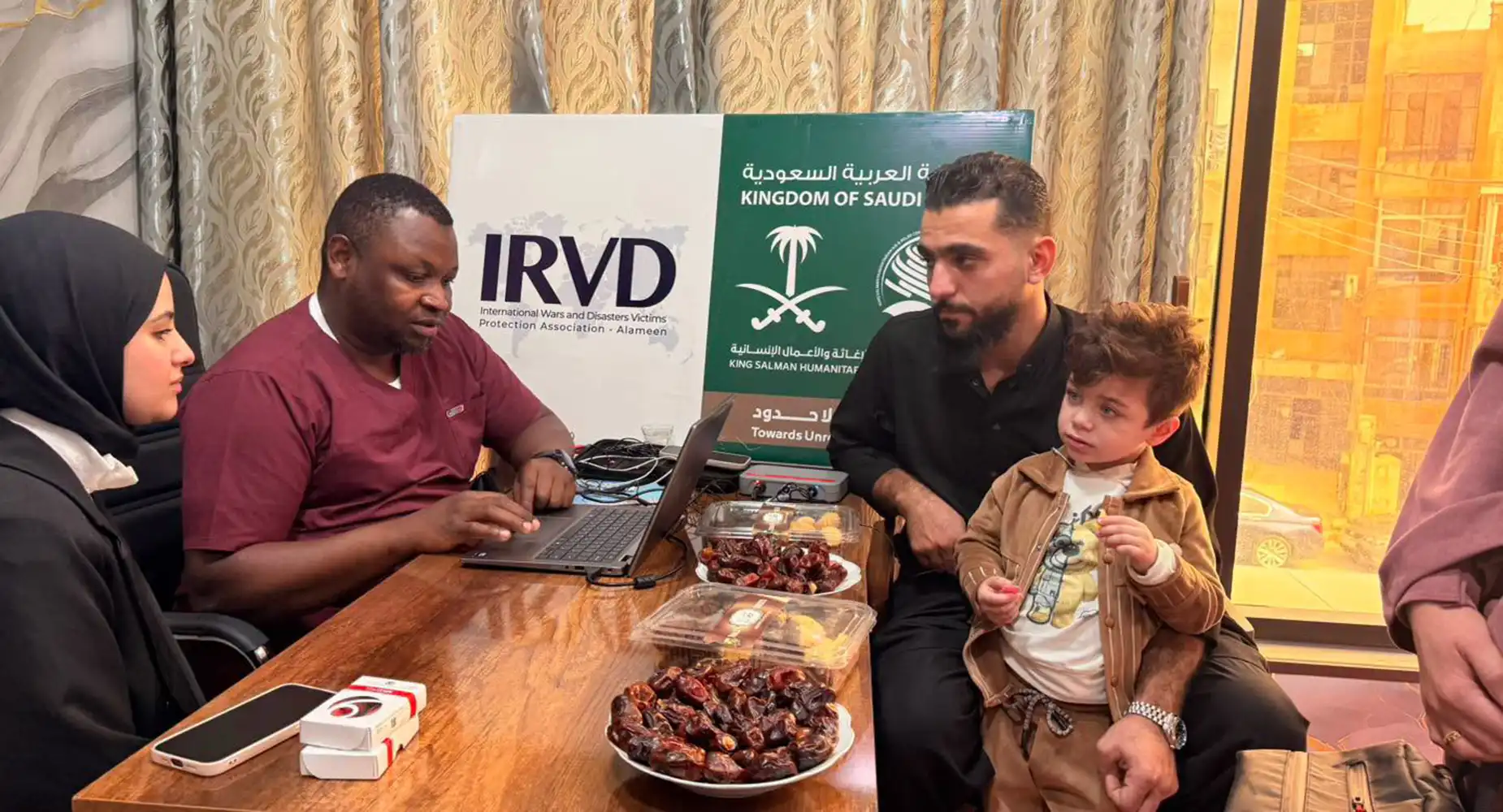
These are scenes from cochlear implant programming sessions for children in Qudsaya, Rural Damascus, Syria, as part of the Saudi Hearing volunteer project for auditory rehabilitation and cochlear implantation. The project is carried out with generous support from the King Salman Humanitarian Aid and Relief Centre (KSrelief), in coordination with the Syrian Ministry of Health.
What is cochlear implant programming, and why does it matter?
Cochlear implant programming, also called mapping, is the process of adjusting the settings of the implant’s external processor so they suit each child’s hearing. Children do not all respond to sound in the same way, so each child needs a personalized setup that takes their hearing response into account. As the child grows used to new sounds, their needs change, and programming sessions are repeated to gradually improve hearing quality.
Why is regular follow-up essential?
Surgery is only the first step on a long road. Regular follow-up after the device is switched on helps to:
Adjust the device to match the child’s hearing response.
Track the child’s progress in hearing and recognizing sounds.
Observe the development of the child’s speech and language.
Address any difficulties early, before they affect the child’s progress.
Programming sessions in Qudsaya
In Qudsaya, Rural Damascus, programming sessions for children with cochlear implants take place within the Saudi Hearing volunteer project, where the team follows the children step by step to monitor their progress. This approach of continuous follow-up gives children and their families real support after the operation and strengthens the chances of a successful auditory rehabilitation journey.
A humanitarian partnership for children’s hearing
This work comes with the generous support of the King Salman Humanitarian Aid and Relief Centre, in coordination with the Syrian Ministry of Health. It shows that cooperation between humanitarian and health organizations makes a real difference in the lives of children with hearing loss.
We follow our children step by step to see their progress in hearing and speech with our own eyes, and we believe that every programming session is another step toward a better future for them.