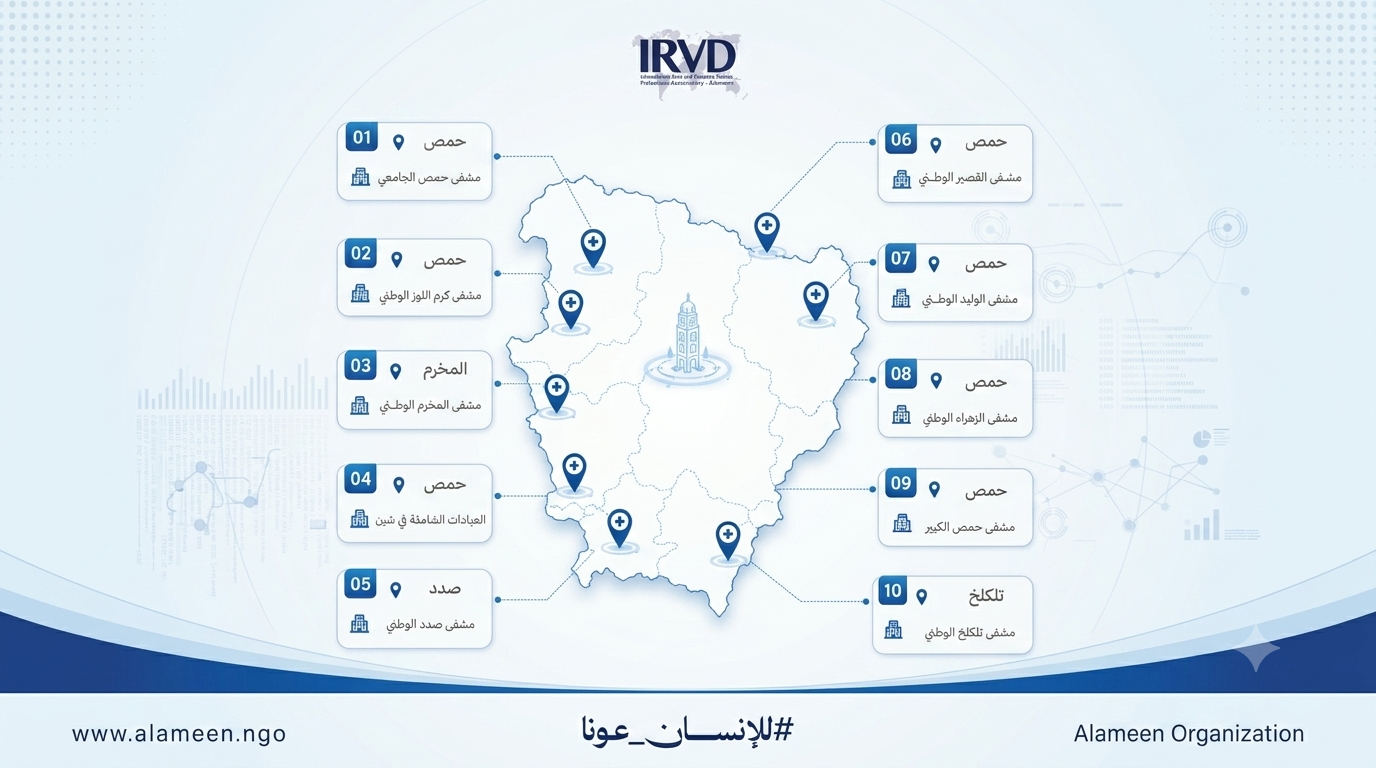
King Salman Relief Center Continues Supporting Kidney Dialysis Medicine Distribution in Homs
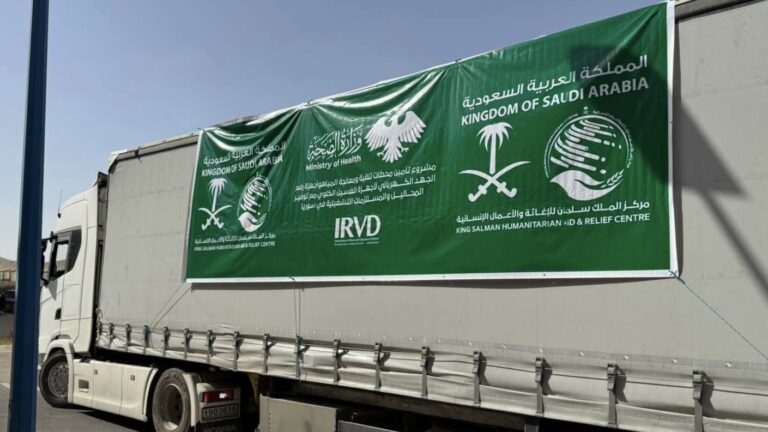
Health authorities in Homs governorate continue their efforts to distribute kidney dialysis medications and specialty medicines to patients, with support from the King Salman Humanitarian Aid and Relief Center (KSrelief), as part of a plan targeting ten health sites spread across the governorate.
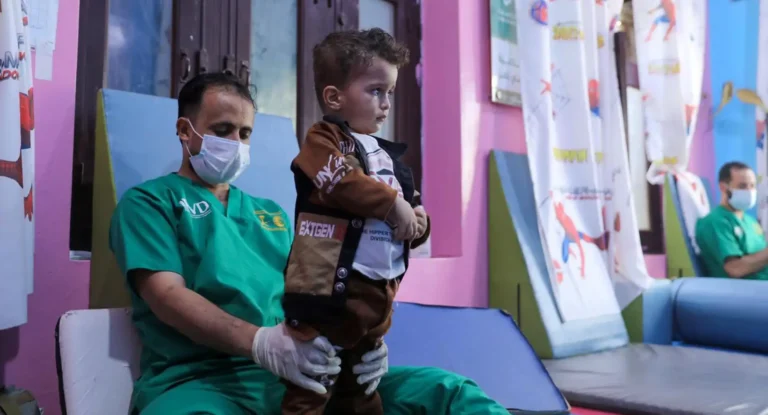
This initiative comes as part of ongoing humanitarian efforts to ensure that treatment reaches patients suffering from chronic kidney disease, who require regular dialysis sessions alongside specialty medications essential for maintaining their health stability. The interruption of these medications poses a direct risk to patients’ lives, making the continuity of their supply a top priority for medical and humanitarian teams working in the governorate.
This support aims to strengthen the capacity of health centers in Homs to provide their services without interruption, especially given the increasing pressure on the health sector and the growing needs of patients. By distributing medications across ten different health sites, services are brought closer to patients, reducing the burden associated with traveling to receive treatment—a matter of great importance for kidney patients, who often suffer from severe physical exhaustion.
This support reflects a continued focus on addressing gaps in the health sector in Homs governorate, as such initiatives help ease the burden on patients and their families and ensure the continuity of vital medical services despite existing challenges. It also highlights the importance of cooperation between supporting entities and local health centers in achieving sustainable treatment services for this category of patients, who depend entirely on continuous treatment to preserve their lives.
These efforts underscore the necessity of continued humanitarian support directed toward the health sector in Homs, ensuring that specialty medications are not interrupted for patients, and strengthening the health system’s capacity to face the ongoing challenges imposed by the current reality.