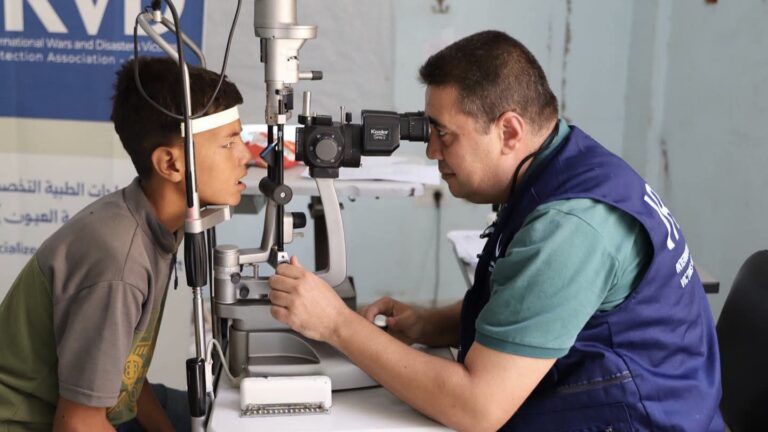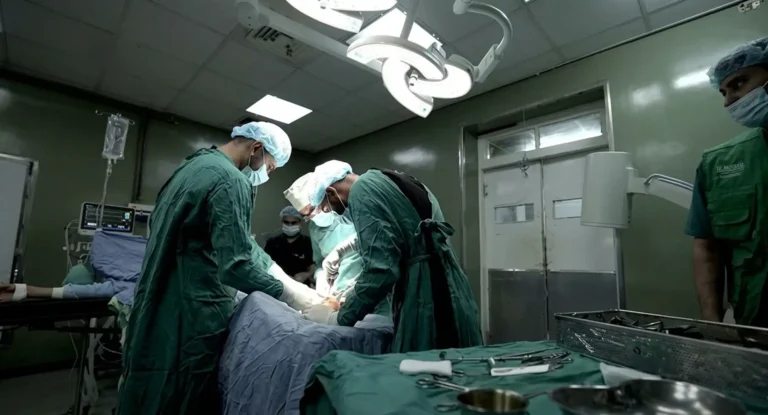

His Sight and Hearing: How to Detect Early What May Hinder Your Baby’s Connection with the World
From the very first moment your baby opens his eyes to life, he begins his journey of discovering the world through two essential senses: hearing and sight. Through them, he recognizes his mother’s voice before he can clearly see her face, and through them he receives the earliest signals of love and safety she sends his way. But what if one or both of these senses are functioning partially — or not at all? This is where your role as an attentive and aware mother becomes essential.
The First Month: What Is Normal?
In the first weeks of your baby’s life, it is entirely natural to notice him turning toward nearby sounds and attempting to gaze at faces close to him. This behavior is not coincidental — it reflects his senses working and developing, and it is a healthy indicator that he is engaging with his environment in a typical way. When you speak to him and he turns his head toward you, or when he fixes his gaze on your face for a few seconds, you are looking at a baby who hears, sees, and is learning.
When the Connection Weakens: Why It Deserves Attention
Hearing and sight are the first bridge through which your baby crosses from his inner world to the world around him. When a child loses one or both of these senses, his need to communicate does not disappear — it deepens. And the role of the mother becomes even more significant, because she is the first to notice, and the first to act at the right time.
Early diagnosis of hearing or vision impairment makes a fundamental difference in the course of a child’s development. The earlier it is identified, the wider the intervention options and the better the outcomes.
Signs You Should Not Ignore
Every mother has the capacity to observe her baby with a watchful eye, particularly in the early months. Certain signs, if noticed, should prompt you to consult a doctor without delay.
The first is that your baby does not turn toward a sudden or loud sound — a response that should appear even in newborns. The second is that he does not make eye contact with you, and does not hold his gaze on your face when you come close. The third is that he sleeps excessively and rarely cries, which may indicate that his senses are not receiving adequate stimulation. The fourth is that he shows no interest in touching or exploring objects around him, a behavior that normally signals healthy sensory engagement.
How Can You Help Your Baby?
If you notice any of these signs or feel concerned, the first step is a specialized medical examination to assess your baby’s hearing and vision. Early diagnosis opens the door to effective therapeutic and rehabilitative interventions.
In the meantime, there are things you can do in daily life to support your child. Use consistent daily signals with him so he learns to associate actions with meaning through channels beyond hearing or sight. Keep his belongings in their usual places to give him a sense of security and stability in his environment. And encourage him to use his other senses — touch and smell — because the brain has a remarkable capacity for adaptation when given the opportunity.
The Mother: The First Line of Defense
It does not take specialized medical expertise to sense that something may be different. All it takes is your presence and attentiveness — you know your child better than anyone else. Early awareness does not mean excessive anxiety; it means conscious love that protects.
Al-Ameen Humanitarian Support Organization marks the International Deafblind Day with this message to every mother: your child deserves to be seen and heard, and you are the first one who can make that possible.