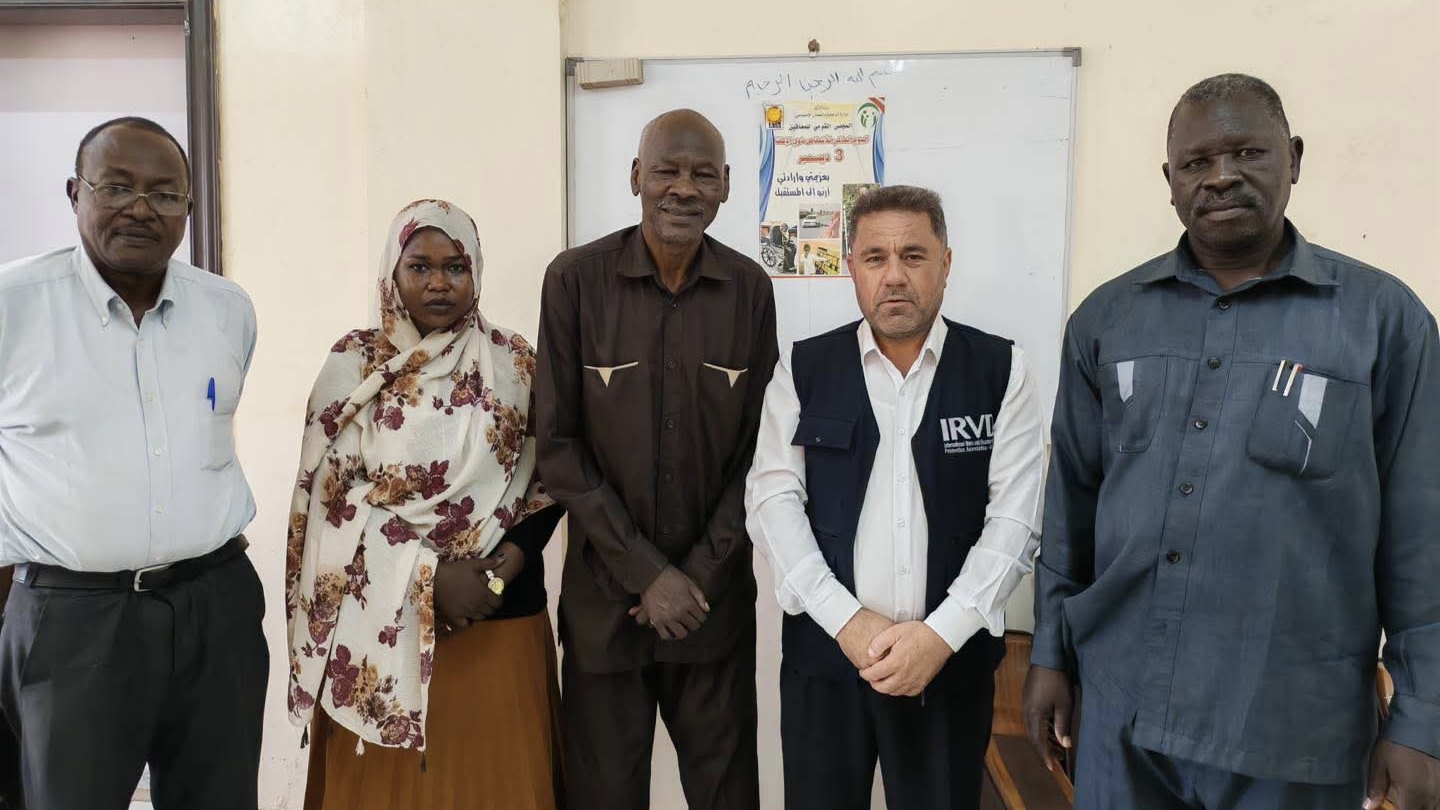
Coordination Meeting Between the National Center for Persons with Disabilities, the General Authority for Prosthetic Devices, and Alameen Organization to Support Medical Rehabilitation in Sudan
A Coordination Meeting to Strengthen Medical Rehabilitation in Sudan
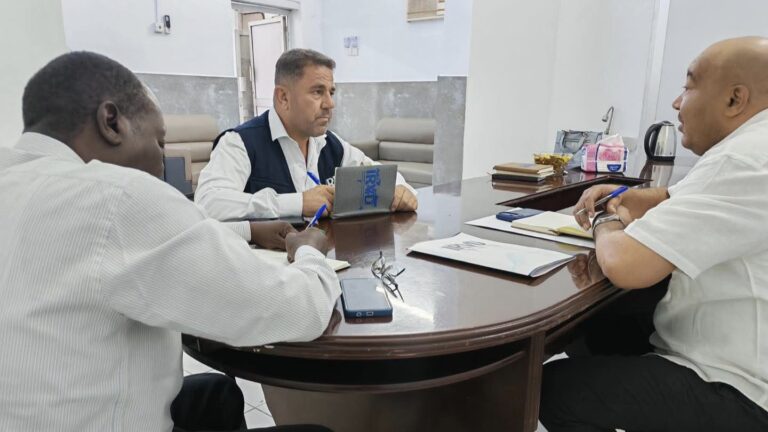
In a step that affirms the depth of humanitarian responsibility, a coordination meeting brought together the National Center for Persons with Disabilities, the General Authority for Prosthetic Devices, and the International Association for the Care of Victims of Wars and Disasters (Alameen), known as Alameen Organization. The meeting resulted in sustainable frameworks that organize cooperation between the three parties in serving those affected inside Sudan.
Why This Cooperation Matters
The medical rehabilitation sector in Sudan faces growing gaps in the services available to the wounded and to persons with disabilities. The need for rehabilitation care and prosthetic devices increases in light of the effects of wars and disasters. No single party can close these gaps alone, which is why coordination between official bodies and humanitarian organizations is a necessity, not an option.
The Roles of the Participating Parties
The National Center for Persons with Disabilities represents the side concerned with the affairs and rights of this group. The General Authority for Prosthetic Devices specializes in devices that restore the ability of those affected to move and rely on themselves. Alameen Organization works in caring for victims of wars and disasters. This complementarity combines official expertise with humanitarian fieldwork.
Goals of the Sustainable Frameworks
This cooperation aims to:
Close the growing gaps in the medical rehabilitation sector in Sudan.
Strengthen the social safety net for the most affected groups.
Ensure the social reintegration of the wounded and affected, enabling them to return to their lives within their communities.
The Importance of Sustainability
Sustainable frameworks mean that joint work continues beyond the meeting itself, rather than remaining limited to a short initiative. In this way, those affected receive continuous care rather than temporary assistance that quickly ends