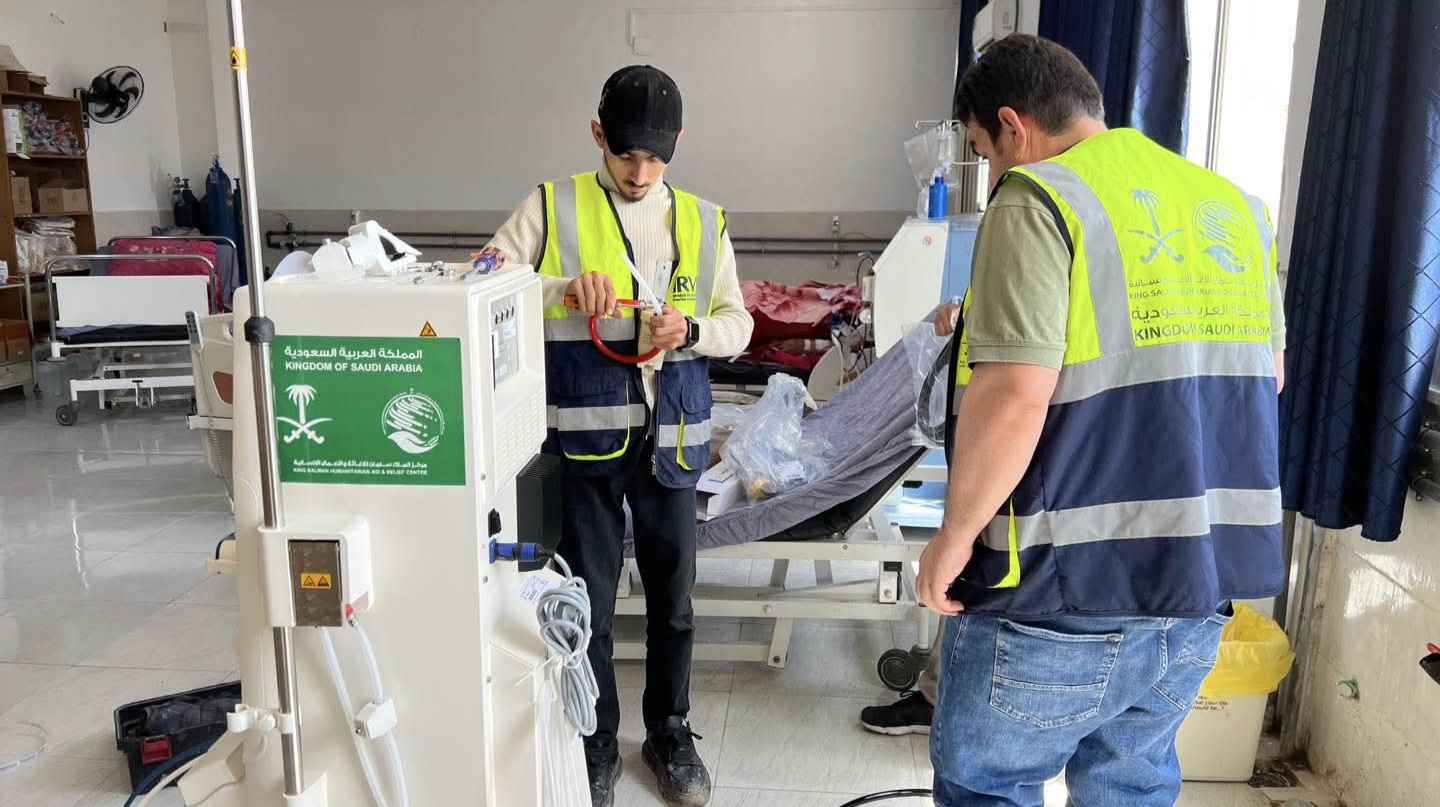
Dialysis Machines Arrive in Raqqa — A New Step Toward Dignity and Better Healthcare
In a city still healing its wounds and rebuilding what conflict destroyed, new dialysis machines have arrived in Raqqa, marking the beginning of a long-awaited chapter in medical care. A step that may seem simple on the surface, yet carries profound meaning for every patient who depends on regular dialysis sessions to stay alive.
A Crisis That Never Paused
For years, patients with kidney failure in Raqqa and its surrounding areas have faced extremely difficult conditions. The need for regular dialysis sessions — typically three times per week — makes every patient entirely dependent on the availability and reliability of functioning equipment. With a persistent shortage of devices and aging machinery, many patients were forced to travel long distances or risk delayed treatment, with direct and serious consequences for their health and lives.
The New Equipment — What Has Changed?
The arrival of new dialysis machines in Raqqa is the result of sustained efforts by Al-Ameen Humanitarian Support Organization (IRVD), which works to rehabilitate healthcare infrastructure in conflict-affected areas. This initiative involves equipping a dialysis unit with modern machines capable of serving a greater number of patients more efficiently and safely. For patients and their families, this translates into shorter waiting times, a better treatment environment, and meaningful relief from the hardships they have long endured.
Because Access to Treatment Is a Right, Not a Privilege
What distinguishes this initiative is its foundation: medical care is not viewed as charity, but as a fundamental human right for every patient regardless of their location or circumstances. Dialysis patients in particular are among the most vulnerable groups, as any interruption in their treatment can have severe and irreversible consequences.
A Step on the Road to Recovery
These new facilities are part of Al-Ameen Humanitarian Support Organization’s broader efforts toward comprehensive community recovery, focusing on rebuilding health infrastructure across war-affected regions of Syria. These are not simply machines being transported from one place to another — they carry a clear message: the lives of these patients matter, and restoring human dignity begins with meeting essential needs.
Conclusion
The arrival of dialysis machines in Raqqa is not the end of the journey, but a milestone in the long road toward building a resilient healthcare system that can truly serve its people. For every machine that runs, there is a patient who breathes a little easier, and a family that sees a little more hope in the days ahead. That is the true meaning of humanitarian work.