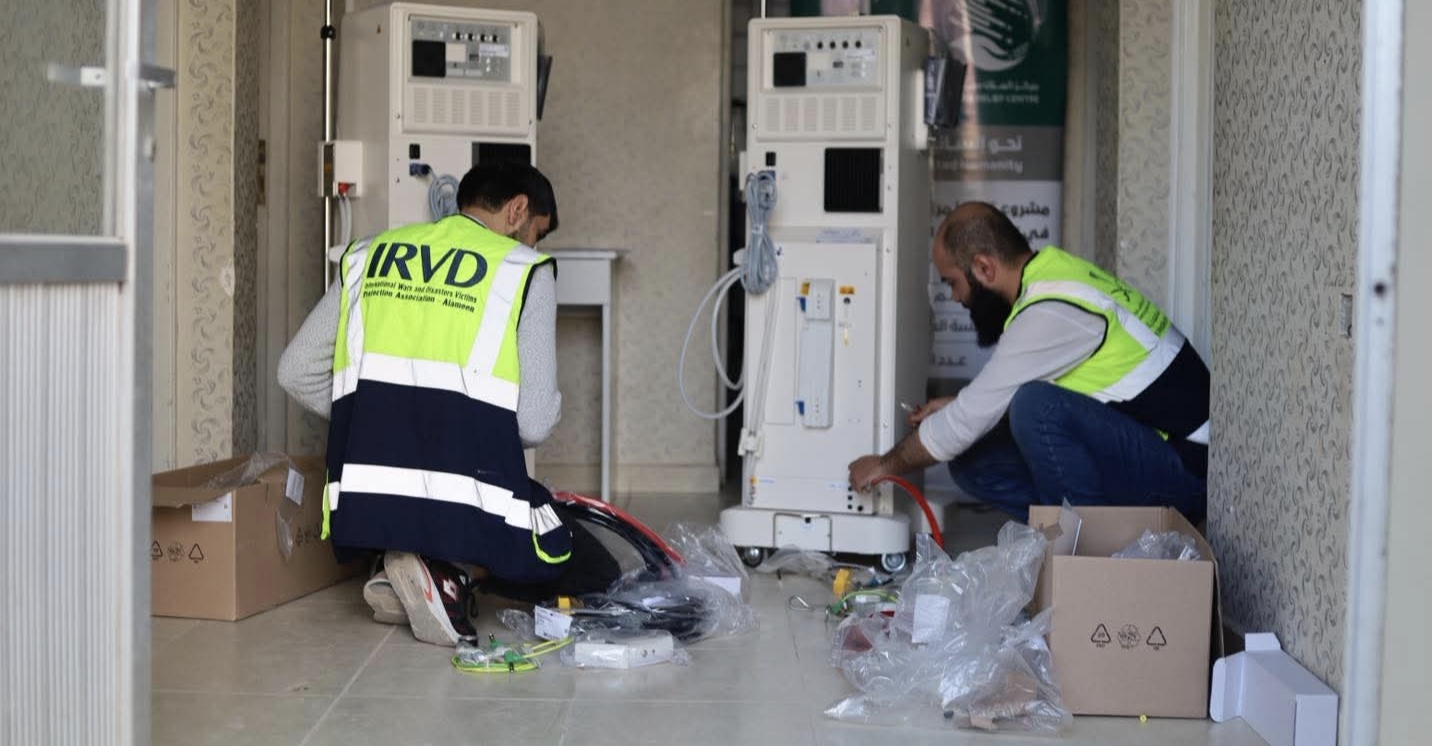
Dialysis Machines Arrive in Jandairis: Bringing Healthcare Closer to Those Who Need It Most
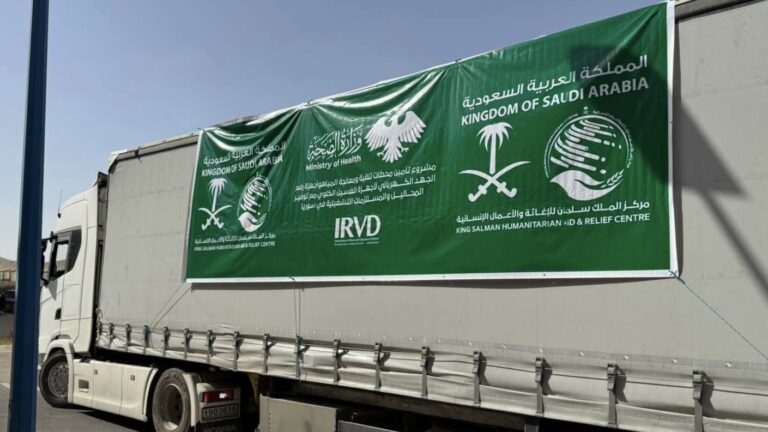
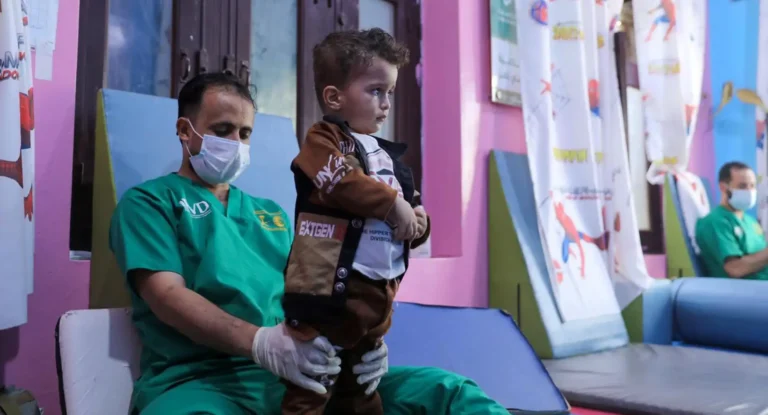
In Jandairis, a city still recovering from the devastation of a catastrophic earthquake, kidney dialysis patients had been fighting a double battle — the disease itself on one side, and the scarcity of medical resources on the other. Many were forced to travel long distances to reach dialysis centers in neighboring cities, placing an unbearable physical and financial burden on themselves and their families. Today, something has changed. Dialysis machines have arrived in Jandairis, opening a new chapter in the region’s healthcare story.What Does Dialysis Mean for a Patient in a Remote Area?Dialysis is not a luxury treatment — it is the only lifeline for thousands of patients suffering from chronic kidney failure. These patients require regular sessions, typically three times a week, each lasting several hours. In the absence of adequate local medical facilities, a patient in Jandairis had to gather whatever strength remained, exhaust whatever resources were left, just to reach a place that would keep them alive.This reality often led to tragic consequences. Some patients delayed or skipped their sessions due to the difficulty of transportation, exposing themselves to serious complications. Perhaps heaviest of all, the physical exhaustion of the treatment journey compounded the exhaustion of the illness itself, turning the lives of patients and their families into an endless, draining cycle.The New Machines: A Real Shift in the Health LandscapeThe arrival of dialysis machines in Jandairis is not merely a logistical event — it is a qualitative transformation in the local healthcare system. These machines mean:First: Closer CarePatients will no longer need to endure an exhausting journey every time they need a session. The center is now nearby, and that alone makes an enormous difference in the quality of life for patients and their families.Second: Treatment RegularityProximity enables consistency, and consistency means better disease management, fewer complications, and a genuine extension and improvement in quality of life.Third: Reduced Family BurdenIllness does not affect only the patient — the entire family bears its weight. Reducing travel means fewer lost working hours, lower cumulative expenses, and less of the daily exhaustion that was wearing everyone down.Fourth: Preserving Human DignityReceiving treatment within one’s own geographic community, close to family and neighbors, carries a profound psychological impact that is no less important than its medical value.Each Machine Is Not a Device — It Is an Opportunity for LifeWhen we trace the journey of each of these machines — from the supplier, to the truck, to the medical center, until it reaches the arm of a patient sitting in their chair waiting for their session — we realize that behind this journey lie human decisions, tireless efforts, and a belief that every person’s life is worth protecting.Each machine means a patient who will no longer drain their strength traveling to receive care. It means a child who will find their parent at home, rather than exhausted on the road. It means a real opportunity for a more stable and dignified life.Toward an Integrated Healthcare System in Northern SyriaWhat has been achieved in Jandairis is a step on a long road. The region still suffers from wide gaps in its health infrastructure, and the challenge of chronic diseases — kidney disease, heart conditions, diabetes — requires a comprehensive strategy that brings together equipment, qualified human resources, and sustainable funding.Yet the arrival of these machines confirms that thoughtful humanitarian action can change reality, and that every initiative, no matter how small it may seem against the scale of need, creates real impact in the lives of real people.