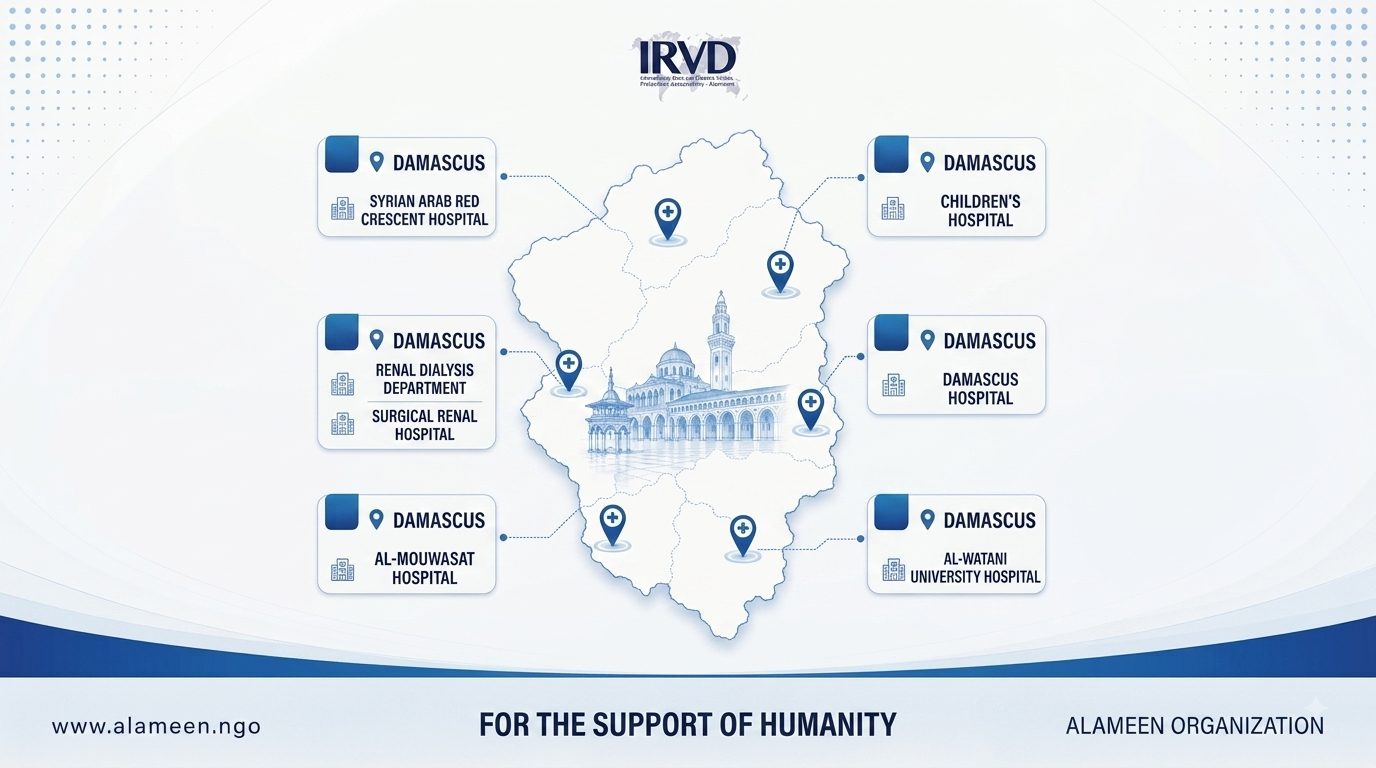
Kidney Dialysis Patient Support in Damascus: Specialized Medications Distributed Across Six Health Sites
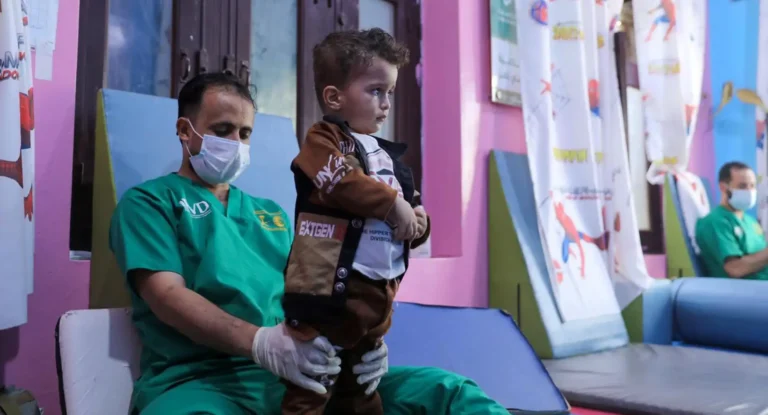
Al-Ameen Humanitarian Support Organization continues its efforts to support kidney dialysis patients in Damascus governorate through a dedicated program aimed at ensuring treatment continuity and meeting the medication needs of this patient group, whose health condition requires precise and ongoing follow-up.
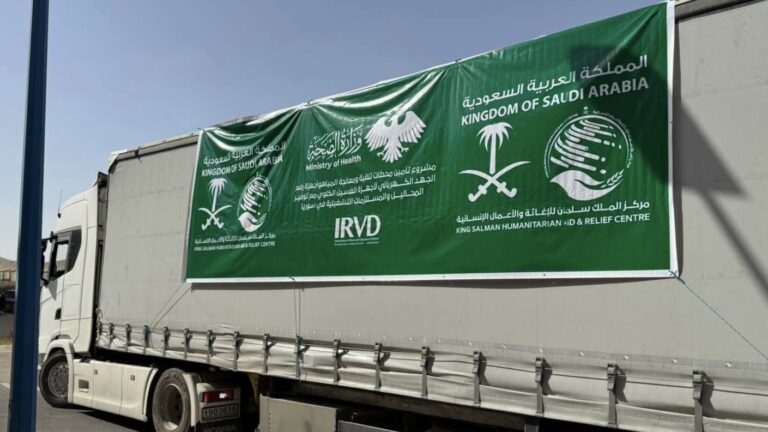
As part of this support effort, dialysis medications along with other specialized drugs were distributed to six sites across Damascus governorate, with the goal of strengthening the capacity of health facilities to provide the necessary services and contributing to ensuring treatment reaches patients in need without interruption.
Kidney dialysis patients are among the groups most affected by any disruption in medical supply chains, as they require regular dialysis sessions accompanied by specialized medications used to manage complications associated with kidney failure. This makes the continued availability of these medications a critical factor in preserving their lives and maintaining the stability of their health condition.
This initiative comes as part of broader efforts by Al-Ameen Humanitarian Support Organization to support the health sector in Damascus, through coordination with the relevant health facilities to identify actual needs and direct medication support to the places most in need of it, ensuring that available resources are used as effectively as possible.
This type of support serves as an important pillar for sustaining the delivery of essential health services amid the challenges facing the health sector, as it helps ease the burden on medical facilities and gives patients a greater chance of receiving appropriate treatment at the right time.
Al-Ameen Humanitarian Support Organization affirms its continued commitment to monitoring the needs of kidney dialysis patients in Damascus, and its ongoing pursuit of expanding the scope of support to include additional health sites and facilities, strengthening the health system’s ability to respond to the needs of this vulnerable group of patients.