An accurate medical diagnosis shortens the path to proper treatment
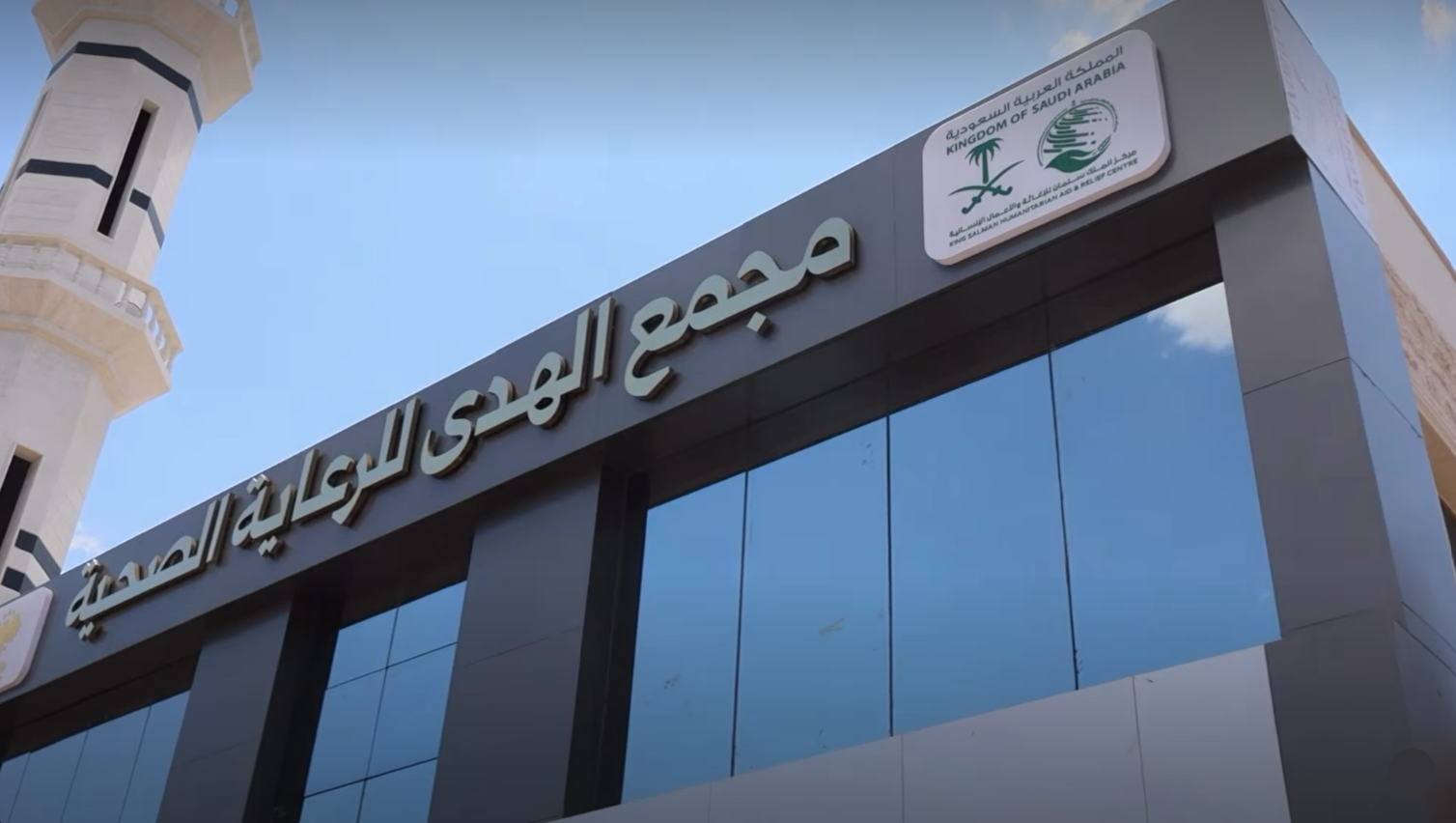
Symptoms of different illnesses often resemble one another, which makes reaching the correct diagnosis harder than we might expect. At Al-Huda Healthcare Complex in the city of Qudsaya, Syria, this reality became clear in the case of a young woman who had spent a long time on a treatment journey that brought her no results.
The story began when the patient visited the complex complaining of a burning sensation and pain in her lower back. She had previously been treated for a long period on the assumption that her condition was a gynecological problem, but her condition did not improve despite the treatment. As the pain continued and there was no improvement, she turned to the complex looking for a clear answer.
After a clinical examination and the use of medical imaging, it became clear that the real cause of her complaint was not related to the reproductive system, as had been assumed, but was the presence of stones in the bladder. With this discovery, her case moved from a treatment that did not address the actual cause to a course of care suited to the nature of the problem.
This case shows the importance of accurate diagnosis in healthcare. Symptoms such as lower back pain and a burning sensation can have more than one cause, and may belong to a body system entirely different from the one first suspected. When a diagnosis is wrong or incomplete, treatment drags on and recovery is delayed, and the patient bears additional pain, effort, and time that could have been saved. A correct diagnosis, on the other hand, is the foundation on which every successful treatment is built, and it is what shortens the patient’s journey toward recovery.
Medical imaging does more than confirm suspicions. It is an essential tool that reveals what an external examination cannot, and it helps doctors distinguish between causes with similar symptoms. For this reason, anyone suffering from persistent pain that does not respond to treatment should visit a well-equipped medical facility, and should not hesitate to ask for additional tests when their condition does not improve.
The activity of Al-Huda Healthcare Complex in the city of Qudsaya comes with the generous support of the King Salman Humanitarian Aid and Relief Centre, in coordination with the Syrian Ministry of Health. This support helps provide medical and diagnostic services that enable the people of the area to receive better healthcare and to have medical conditions detected at an appropriate time.
This case remains a clear example that reaching the right diagnosis is the most important step in any treatment, and that the availability of diagnostic services in health centers can change the course of patients’ lives for the better.