Rafif — A Little Girl Learning to Stand Again with the Support of Al-Ameen Humanitarian Support Organization
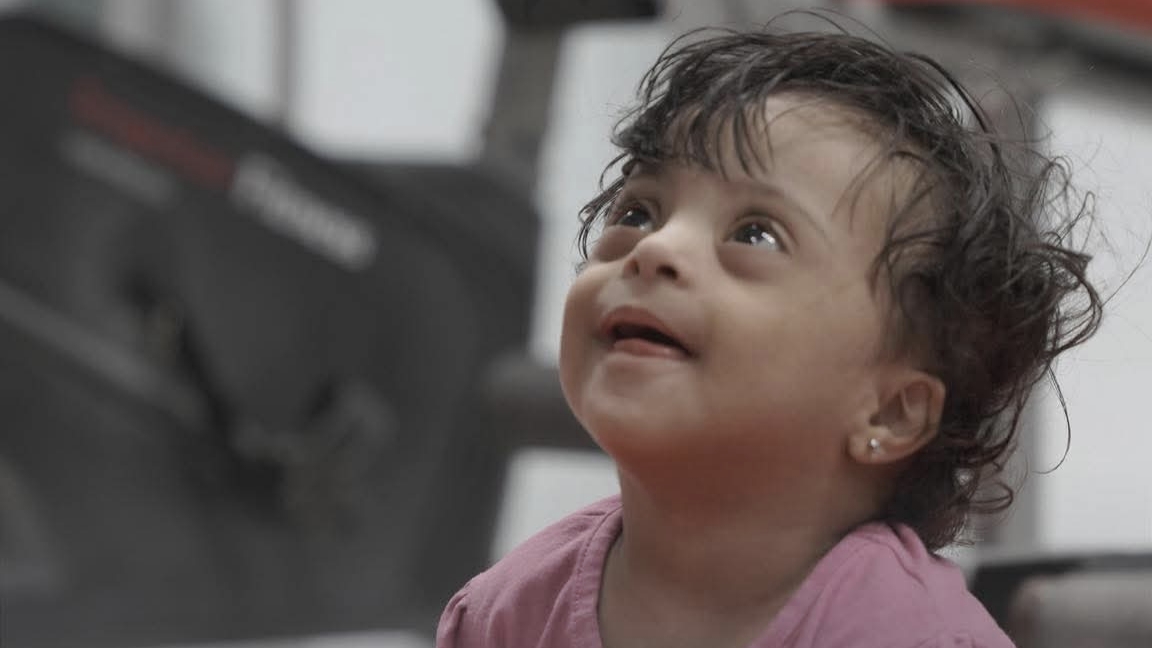
At just a year and a half old, little Rafif Adnan Saad Al-Jaberi sat in her mother’s arms, her eyes gazing upward as though asking the world a question she had yet to find an answer to. She did not know that caring hands were already preparing a path for her toward movement and hope.
From her earliest months, Rafif’s family began noticing what no parent ever wants to see: a delay in neck control, and a visible slowness in crawling and motor movement. Days passed and the worry in her mother’s heart grew heavier, questions multiplying without sufficient answers. But the family refused to surrender to fear. When they observed similar cases that improved through physical therapy, they resolved to seek a ray of hope for their daughter.
The road to the limb and rehabilitation center in Sayoun was that ray of hope. Rafif enrolled in the center with support from the King Salman Humanitarian Aid and Relief Centre, and began physical therapy sessions at an early stage. Progress was not immediate — the process demanded patience from both the family and the therapists alike. Yet the sustained medical efforts gradually bore fruit; Rafif’s condition began to improve step by step. She became able to crawl more confidently and started attempting to stand with greater steadiness each time.
Today, in photographs that condense a long journey of perseverance, we see Rafif lifting her small hand to grasp her toys with confidence, sitting upright and looking forward with eyes that carry a different kind of light. Her therapeutic journey continues with a noticeable improvement toward self-reliance and natural movement. Her therapist smiles at the progress she witnesses. Her mother smiles as she holds the daughter who fights on and prevails.
This story is not about one child alone. It is one image among many that reflect the daily work carried out by Al-Ameen Humanitarian Support Organization in conflict-affected and fragile communities — where war and poverty sever the connection between people and their most basic right to healthcare. Here, the organization stands as a bridge between a child in need and the treatment they deserve, driven by the conviction that every child has the right to grow and stand on their own two feet, regardless of circumstances.
Rafif did not prevail alone. Her family prevailed alongside her — a family that never gave up. And so did everyone who believes that humanitarian care is not a luxury, but a fundamental right for every human being.